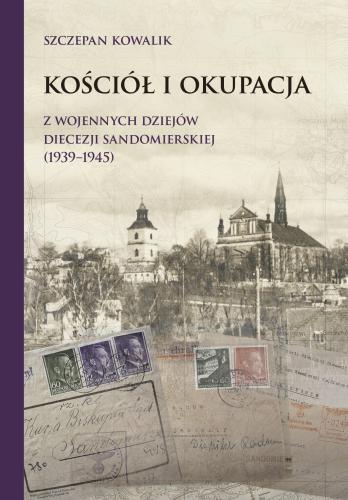
The Church and the occupation. On the wartime history of the diocese of Sandomierz (1939–1945)
Keywords:
Catholic Church, diocese of Sandomierz, Second World War, German occupation, clergySynopsis
The monograph by Szczepan Kowalik “The Church and the occupation. On the wartime history of the diocese of Sandomierz (1939–1945)” examines the functioning of the diocese of Sandomierz under German occupation, with particular emphasis on institutional, social and religious conditions in the General Government. The author places the history of the local Church within the broader historiography of the Second World War, indicating both the achievements of previous research and the remaining gaps, especially regarding religious life and the everyday experience of the clergy. The key issue is the continuity of diocesan structures preserved despite occupation policy and differentiated forms of repression against the clergy and lay faithful.
The book consists of eight chapters devoted to: the territory and population of the diocese, ecclesiastical organization and governance, military chaplains, priests involved in the underground and repressed clergy, pastoral ministry under legal restrictions, the daily life and material situation of priests, the effects of German population policy, as well as questions of conversion and clerical attitudes towards the Holocaust of the Jews. Particular attention is paid to bishop Jan Kanty Lorek, his strategy of safeguarding diocesan institutions, his interventions with German authorities and the controversy surrounding his appeal encouraging voluntary labour departures to the Reich.
The source base is founded mainly on materials from the Archive of the Diocese of Sandomierz (occupation files, visitation records, personnel files, marital status cases), supplemented by documents of the German administration, post-war judicial records and parish chronicles and memoirs. Combining institutional history with a socio-religious approach, the author presents the diocese as a space of struggle to maintain the deposit of faith, continue pastoral work and develop charitable engagement towards the victims of war. The book constitutes an important step towards a comprehensive monograph of the diocese of Sandomierz in 1939–1945 and an essential contribution to the debate on the role of the Catholic Church under German occupation.